


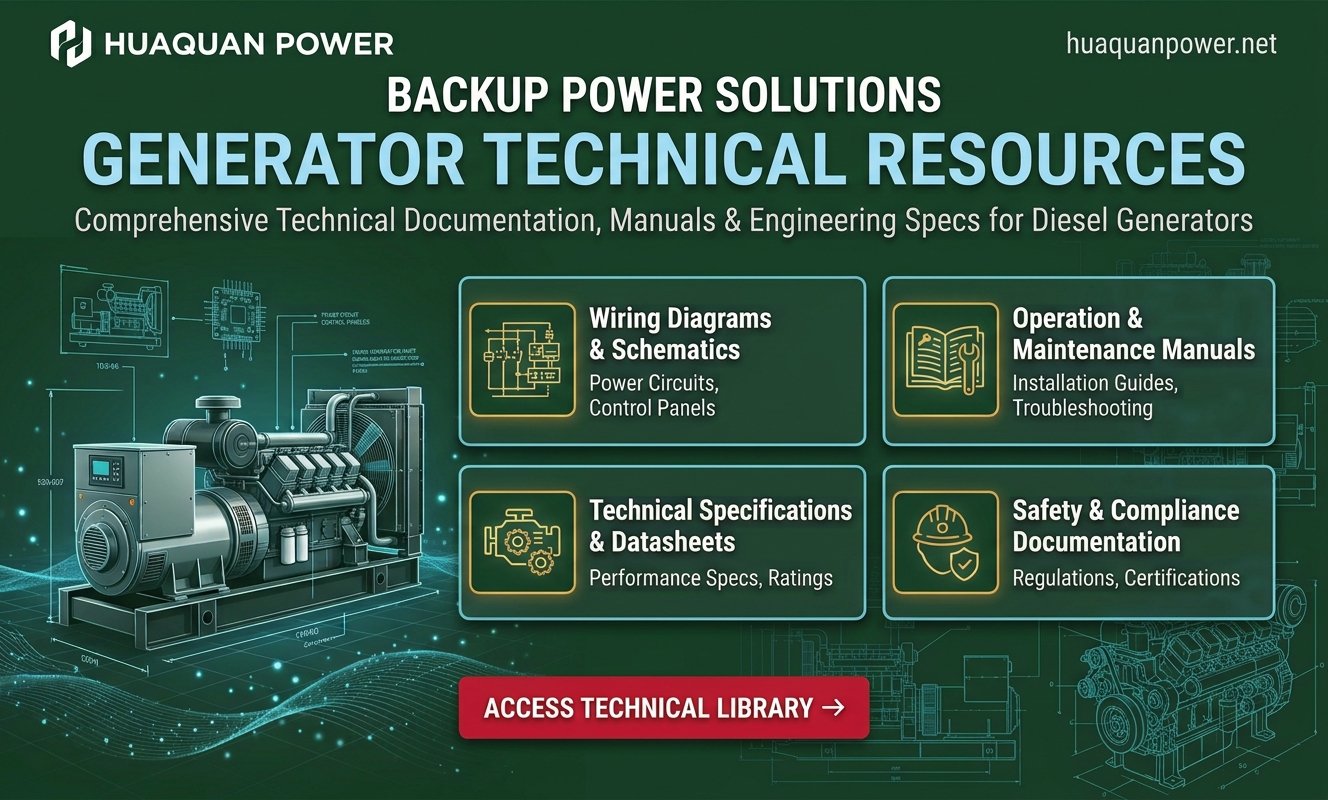
Reliable electricity is essential for modern businesses, industrial facilities, commercial buildings, and homes. However, unexpected power outages, grid failures, and electrical disruptions can interrupt daily operations, damage sensitive equipment, and create unnecessary expenses. This is why investing in dependable backup power solutions has become an important part of effective energy planning. By choosing the right generator or backup power system, businesses can maintain essential services, protect valuable equipment, and reduce downtime when the primary electricity supply becomes unavailable.
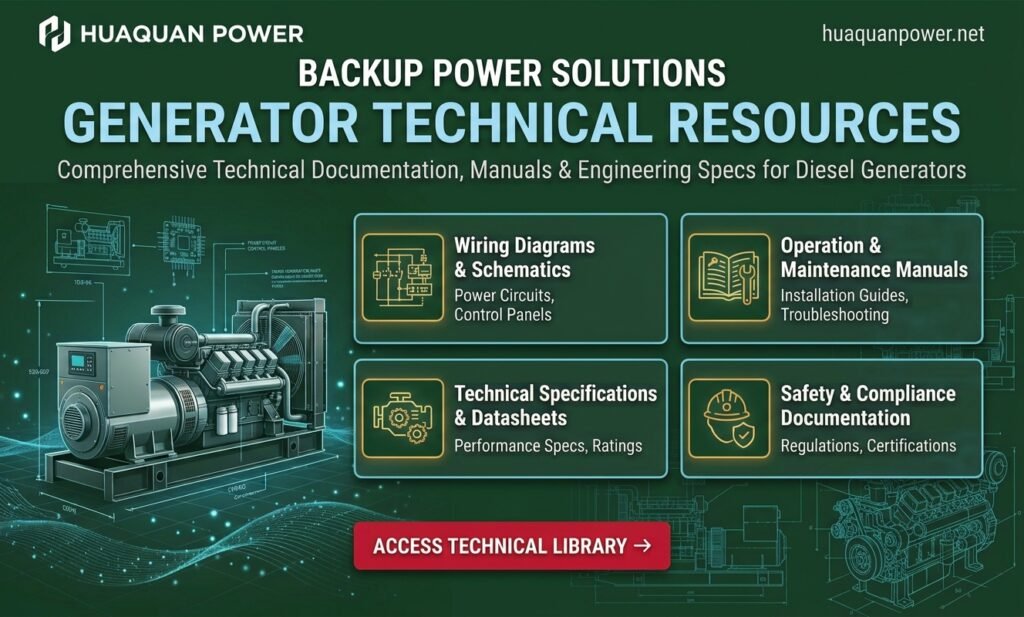
Understanding Backup Power Solutions and Their Importance
Backup power solutions are systems designed to supply electricity when the main power source fails or becomes unreliable. Depending on the application, these systems may include diesel generators, natural gas generators, battery energy storage, or uninterruptible power supplies (UPS). Each option serves a different purpose, from supporting critical electronic equipment to powering entire industrial facilities. Selecting an appropriate solution requires understanding electrical demand, expected outage duration, operating conditions, and the importance of maintaining continuous power.
Why Businesses Need Reliable Backup Electricity
Power interruptions can affect productivity, customer service, manufacturing schedules, and workplace safety. For example, a factory may experience production delays when machinery suddenly loses power, while a retail business could lose sales if its payment systems stop working. Healthcare facilities, data centers, and telecommunications operations also depend on reliable electricity to maintain essential services. A properly planned backup system helps minimize these risks by providing an alternative source of power, allowing organizations to continue essential activities and recover more efficiently after an unexpected disruption.
Choosing the Right Type of Backup Power System
Not every facility requires the same backup technology. The best choice depends on available space, power requirements, operating costs, and the duration of potential outages. Diesel generators are commonly considered for industrial and commercial applications that require substantial power, while gas generators may suit sites with a dependable fuel supply. Battery storage and UPS systems provide alternatives for shorter interruptions or sensitive electronics. Evaluating these options carefully helps businesses select equipment that supports operational needs without unnecessary investment.
Diesel Generators for Demanding Applications
Diesel generators are a practical option for factories, construction sites, warehouses, and commercial buildings that require dependable standby electricity. Their suitability depends on generator capacity, fuel availability, maintenance requirements, and operating conditions. Businesses should assess both continuous electrical demand and the additional power needed when motors or other equipment start. Comparing generator specifications and expected running costs can help decision-makers identify a system that balances performance, durability, and long-term operating expenses.
Battery Storage and UPS Systems
Battery energy storage and uninterruptible power supplies help protect equipment that cannot tolerate even a brief interruption. A UPS can provide immediate temporary electricity while a standby generator starts or systems shut down safely. Battery storage may also support selected loads for longer periods, depending on its capacity and configuration. For example, an office can use a UPS to protect computers and networking equipment while a generator supplies broader building requirements. Combining technologies can provide more flexible protection than relying on a single power source.
How to Calculate Your Backup Power Requirements
Correct sizing is essential for dependable performance. Begin by listing the equipment that must remain operational during an outage, including lighting, computers, pumps, production machinery, and essential cooling systems. Record each item’s electrical demand and identify equipment with high starting currents. Then consider which devices may operate simultaneously and whether future expansion is likely. A qualified electrical professional can use this information to calculate the appropriate generator capacity and verify that the selected equipment can handle the expected load safely.
Essential Features to Consider Before Buying
When comparing backup power equipment, look beyond the initial purchase price. Evaluate rated output, fuel consumption, control systems, safety protections, service accessibility, and compatibility with existing electrical infrastructure. Automatic transfer switches can help transfer supported loads between the utility supply and generator when properly installed and configured. Noise levels and emissions may also influence the choice, especially in residential areas or enclosed commercial environments. Reviewing technical documentation and warranty conditions helps buyers make informed decisions and avoid unexpected costs after installation.
Practical Maintenance Tips for Long-Term Reliability
A backup power system is only useful when it operates correctly during an emergency. Regular inspections, scheduled servicing, battery checks, fuel-system maintenance, and operational testing can help identify problems before an outage occurs. Follow the manufacturer’s recommended maintenance intervals and maintain records of inspections, repairs, and test results.
A practical maintenance checklist includes:
-
Inspect the system for leaks, corrosion, and visible damage.
-
Check engine oil, coolant, fuel, and battery condition as applicable.
-
Test automatic transfer equipment according to the maintenance plan.
-
Arrange professional servicing and load testing when recommended.
Routine care supports reliable operation and can help extend equipment service life.
Improving Energy Efficiency and Managing Operating Costs
An efficient backup strategy balances dependable electricity with sensible resource consumption. Selecting appropriately sized equipment helps prevent unnecessary capital expenditure and inefficient operation. Businesses can also reduce backup demand by prioritizing essential loads and disconnecting noncritical equipment during outages. Tracking fuel consumption, operating hours, and maintenance expenses makes it easier to understand the total cost of ownership. Over time, these records can support better purchasing decisions and reveal opportunities to improve the facility’s overall energy management.
Why Huaquan Power Is Worth Exploring
Businesses researching dependable power equipment can explore Huaquan Power through its official website, HuaquanPower.net. The website provides a starting point for exploring generator-related products and power equipment options for different applications. Before making a purchase, compare the available specifications with your actual electrical requirements, installation conditions, and service expectations. Requesting detailed technical information and confirming warranty, delivery, and after-sales support can help determine whether a particular solution suits your project.
Creating a Reliable Backup Power Strategy
A strong backup plan involves more than purchasing a generator. Organizations should identify critical equipment, estimate the required backup duration, establish safe transfer procedures, and determine who is responsible for maintenance and emergency response. They should also consider ventilation, exhaust management, electrical protection, and appropriate installation clearances. Regular testing helps confirm that the system performs as expected under realistic conditions. Planning these details in advance reduces uncertainty and makes it easier to respond effectively when the normal electricity supply becomes unavailable.


